How Feeling Safe in Water Builds Children’s Confidence and Joy

Every parent wants their child to be safe in the water, but true water safety goes beyond memorizing a checklist of rules. Parents often wonder how to instill confidence and joy—rather than anxiety—around swimming. When children feel genuinely safe in both body and mind, they gain more than skill: they develop emotional resilience and trust. By gently guiding them in deep water and encouraging self-assurance, families witness growth that extends far beyond the pool.
Children need more than instructions; they need to feel secure from within
- Confidence is the root of resilience, curiosity, and joyful learning.
- Safety grows as children discover independence and trust in the water.
- Small steps create changes that last a lifetime.
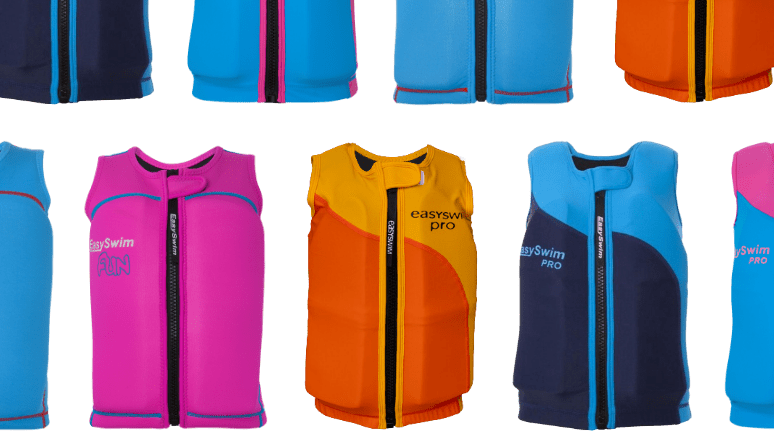
- Floating suits offer both support and freedom while giving parents peace of mind.
What changes when children feel safe, not just protected?
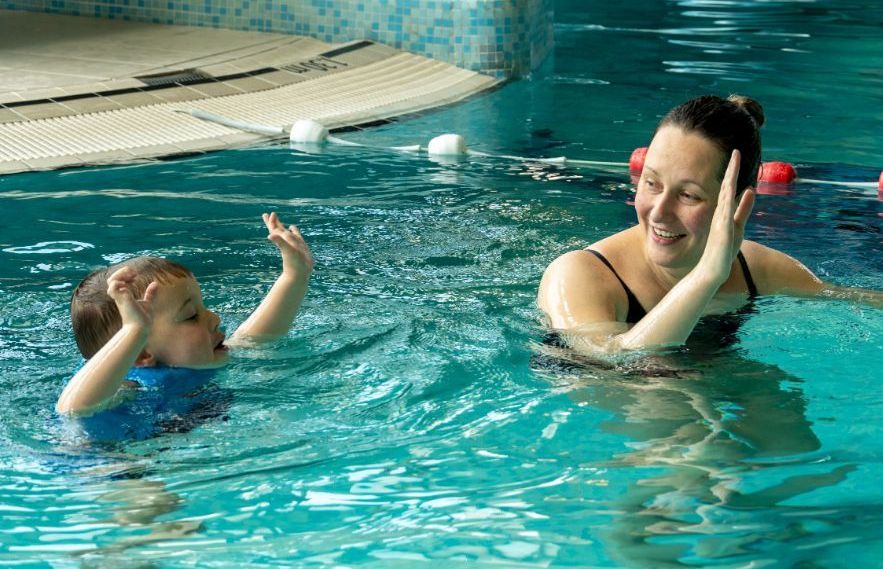
When children feel safe in the water, everything shifts. They begin to relax, move freely, and view water as an environment for exploration. This joy is visible in their expressions and laughter. Introducing children to deep water from the start—along with a secure floating suit—shows them they can explore, float, and play safely. Real safety blooms when they realize, ‘I’m okay here. I can do this. And I’m having fun.’
How does confidence-first learning shape emotional growth?
Our confidence-based approach avoids rushing children toward technique. Instead, the goal is comfort and self-trust in the water. As children learn to float, glide, or wiggle safely, they strengthen both confidence and emotional balance. They test new movements bravely, secure in the knowledge that support is always near. Emotional growth flourishes not through pressure, but through playful discovery—one laugh or splash at a time.
Why is deep water important for true safety and growth?
Deep water allows children to move naturally and experience full buoyancy. Floating suits support independence while maintaining a sense of adventure. As children learn to navigate the water confidently, they manage excitement, fear, and movement. Parents notice them growing calmer and more adaptable—skills that reach far beyond swimming.
What role do play and imagination have in swimming?
Play is central to learning. In deep water, each lesson can become an imaginary adventure where children invent games, explore creatively, and let curiosity replace fear. Progress might mean letting go of the edge for the first time or creating a game with a friend. Every moment of discovery matters, because each child’s journey in the water is unique.
Every child can learn to feel safe, strong, and joyful in water. By building confidence first and using floating suits in deep water lessons, we equip children with lifelong emotional tools—curiosity, independence, and calmness under pressure. Our mission is simple: help every child find joy, safety, and freedom in the water, one splash at a time.