How Natural Movement and Breath Build Water Confidence in Children

Every parent wonders how their child can learn to feel truly confident and safe in the water. Perhaps your child is just starting out and you want them to not only swim but to love every minute they spend floating, gliding, and playing. At the heart of a joyful swim journey lies a simple truth: children flourish when they move naturally and discover how to control their breathing in a space where they feel protected and free. In this article, we share how gentle play, breath awareness, and deep-water confidence build the strongest foundation for lifelong swim safety.
When children move freely, they:
- Unlock their natural buoyancy and build trust in their bodies
- Learn to manage their breathing, which brings more relaxation and joy
- Explore water with curiosity and delight, not pressure or fear
- Progress at their own rhythm, guided by encouragement, not correction
- Form a lasting connection with water that keeps them safer for years to come
Why does natural movement make swimming easier?
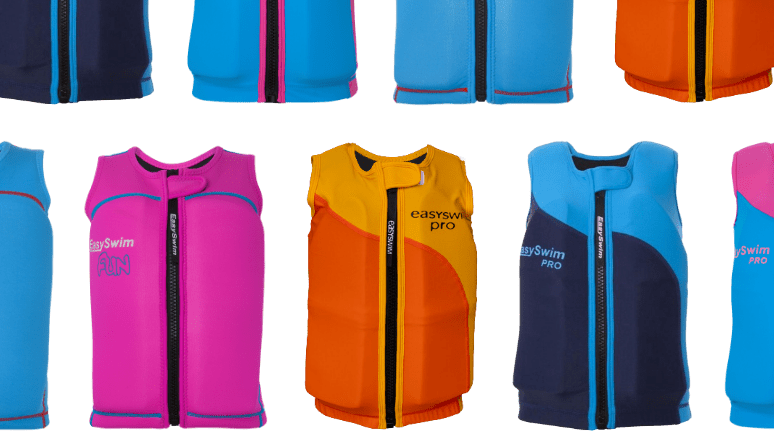
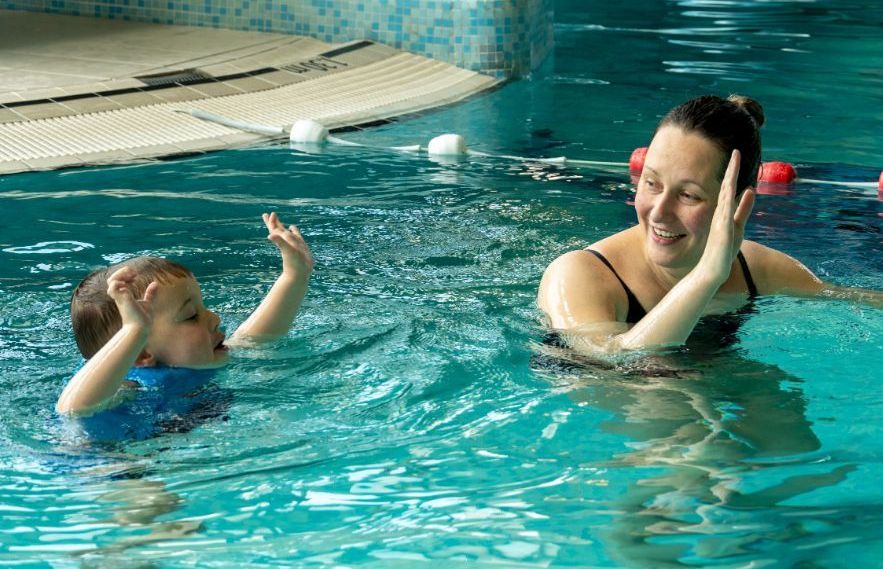
When a child can explore how their arms and legs feel in the water, they quickly sense what helps them float and glide. We begin every lesson in deep water, using a floating suit designed to support their safety while allowing real, uninhibited movement. The suit is not a restrictive vest but a gentle learning aid. With this freedom, their bodies respond to the water in playful ways. Arms reach out and legs find a gentle kick. Soon, it feels less like swimming lessons and more like happy discovery. This natural exploration helps children develop body awareness. Every small achievement, from staying afloat to making it across the pool, feels like a winning moment.
How does breathing bring relaxation and confidence?
Mastering breathing is at the heart of water confidence. Children quickly learn that holding their breath tightly brings tension, but steady, quiet breaths are calming. We invite every child to play with bubbles, take slow inhales while gliding, and enjoy gentle games that make breathing control feel like magic. As their breath becomes rhythmical, so does their movement. It is a powerful moment when a child realizes that, by simply exhaling under the surface and lifting their face for air, they can relax and move with ease. This confidence transforms nervousness into curiosity, and, soon, cautious smiles turn into laughter.
What makes our deep-water approach safer and more joyful?
Teaching in deep water allows children to experience real buoyancy and weightlessness from the very first lesson. The floating suit ensures they are always secure, never struggling, never left alone. Because their feet do not touch the bottom, trust in the suit and their own bodies grows. We never rush children or force technique. Instead, we celebrate little steps, guide with gentle encouragement, and cheer every leap of bravery. This emotional safety creates a space where learning is joyful and self-driven.
How does every child find their unique rhythm with us?
Children are wonderfully different, so we adapt our approach to each personality and comfort level. Some children love to race and spin, others like to float and observe quietly. We follow each child’s interests, creating personal games and adventures. This responsive, confidence-first teaching style gives every child the freedom to learn at their own pace. Our floating suits, available through the Señor Swim webshop, are thoughtfully designed for this journey, making it easy for each child to progress safely and joyfully.
Parents see more than swim skills—they see happiness
As parents, you want your child to love the water, not just learn to swim. With us, children gain deep trust in themselves and their surroundings. Through natural movement and breathing, they grow joyful and resilient. These moments of discovery, backed by gentle guidance and plenty of encouragement, stay with them for life. We are honored to help children feel confident and happy—ready to dive into any adventure that comes their way.