How Natural Movement and Calm Breathing Build Confident Young Swimmers

Every parent wonders how their child will feel the first time they step into a pool. Will they be relaxed and excited or tense with worry about what to do next? For children aged six to nine, starting their swim journey can be filled with questions, curiosity, and just a bit of uncertainty. This is a beautiful age for discovery, and nurturing the right foundation for swimming—starting with natural movement and gentle breath control—can turn those first experiences into moments of pure joy and freedom. When children learn in deep water, supported by a floating suit, they become explorers instead of students, discovering what their own bodies can do.
- Confidence blooms when children feel at home in the water
- Learning to move naturally frees children from rigid technique
- Breathing calmly helps children trust and enjoy deep water
- Play and imagination lead the way to real skill
- Every child learns differently and at their own pace
Why does confidence come before technique?
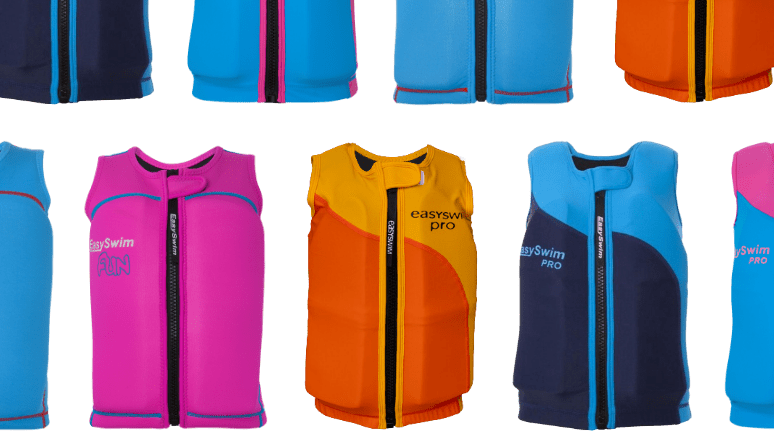
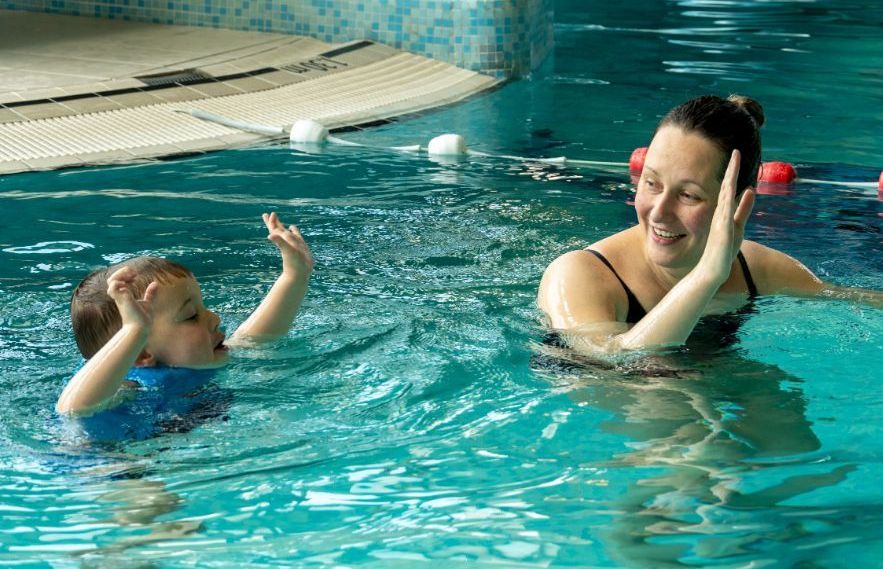
Children thrive when they feel free and safe, so our first goal is to help them enjoy being in the water. When children put on a floating suit and step into deep water, they quickly discover that they do not need to hang on or be rescued. The floating suit is designed to gently support them while allowing for full movement. Children can stretch out, balance, and roll without fear of sinking. This freedom encourages them to experiment—how does it feel to float like a starfish or glide with long, smooth arms? As they play, their bodies find naturally efficient positions, setting the stage for real swimming later on. Confidence grows as they realize they are in control, and that relaxed feeling is the best foundation for any skill.
How does breathing make swimming calm and joyful?
Learning to control breathing is at the heart of feeling calm in deep water. We know that holding a breath tight or gasping can bring on fear, but relaxed, rhythmic breathing is soothing. We guide children to blow bubbles, hum underwater, and take slow, gentle breaths at the surface. These playful exercises become second nature and empower every child to stay focused on what feels comfortable. Breathing control is more than a technique. It is a source of trust. It lets children enjoy exploring, even when things feel new or challenging.
What makes deep water the perfect classroom?
Children are naturally curious and love to explore, especially at this age. Shallow pools often limit movement and create habits like gripping the edge or relying on the floor. In deep water, supported by a floating suit, children find true independence. There is space to try, to float, to twist, and to glide. No edge to grab means all focus is on what their bodies can do. This environment encourages active learning, real body awareness, and genuine joy. Our floating suits, available in the Señor Swim webshop, are created for exactly this kind of safe, exploratory play.
How do play and imagination shape learning?
Every lesson is filled with games and stories that turn swimming into an adventure. Children might imagine themselves as dolphins, submarines, or floating clouds. Playful challenges build balance, strength, and self-assurance, while laughter lightens every new experience. We celebrate small victories and use encouraging words so every child feels seen. By making each session a discovery, we help children associate the water with happiness.
The greatest reward is watching children who begin hesitant transform into confident, thrilled swimmers who look forward to every lesson. By respecting natural movement and gentle breathing, we open the door to a lifetime of joyful swimming. With a floating suit and supportive guidance, every child can learn to feel free, relaxed, and at home in the water—because happiness and safety always come first.