How Playful Water Games Help Kids Love Learning to Swim

Many parents wonder how to help their children truly enjoy learning to swim, not just for safety but for happiness too. It is easy to picture swimming as a list of skills to be mastered, but in reality, children are curious explorers who grow by playing and discovering. The journey to becoming strong, confident swimmers can be just as joyful as it is important. By focusing on playful discovery, we tap into what makes kids tick. In this article, you will discover how water games and gentle guidance turn swim lessons into an adventure full of confidence, trust, and independence.
- Children learn best when they feel safe, relaxed, and free to play
- Games in deep water spark natural movement and curiosity
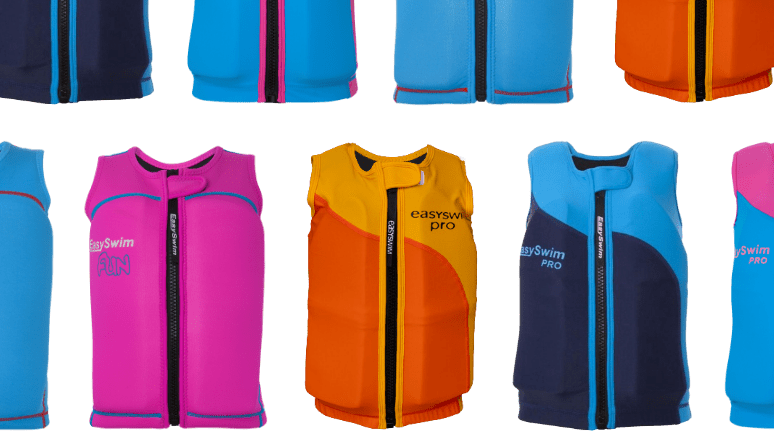
- Using a floating suit lets children explore independently while staying secure
- Our confidence-first approach helps kids progress at their own pace
- Every playful moment helps build lifelong trust in the water
Why do children learn through play?
We have seen time and again that children thrive when they can play and use their imagination. Play turns the water from a strange place into a world of wonder, where every game becomes a chance to discover what their bodies can do. One child might become a drifting seaweed in a gentle current while another races invisible dolphins with wide eyes and laughter. This playful style of learning invites children to try floating or kicking without fear of mistakes. Discovery happens naturally, step by step, as children figure out how things feel and work.
How do swimming games build confidence?
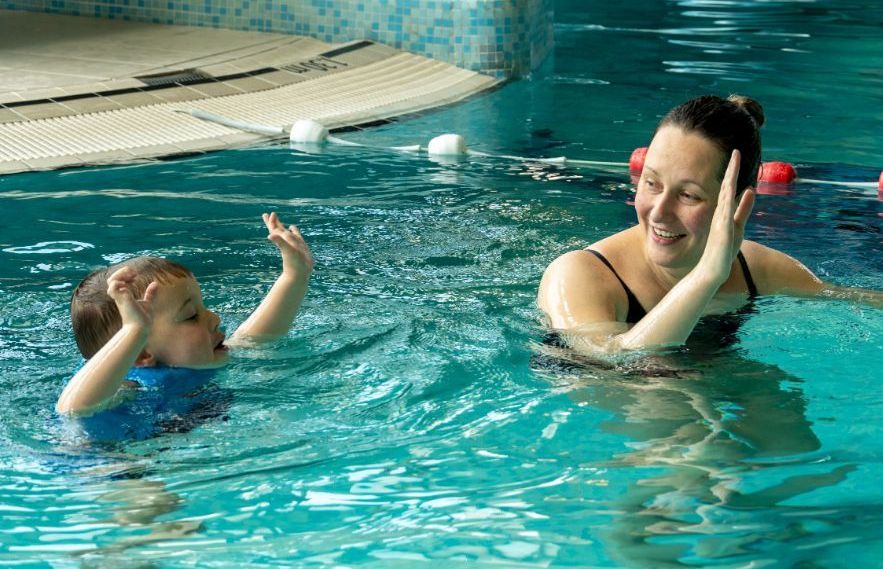
Confidence is the foundation of every swim journey. By using games and gentle challenges, we help children feel safe and brave in deep water. For example, a simple game of reaching for floating rings or chasing bubbles encourages children to stretch, balance, and control their movements. The floating suit keeps them secure, allowing them to focus on what their bodies can do rather than worrying about sinking or failing. We celebrate every attempt and offer encouraging words, helping children feel proud of their progress rather than pressured by perfection.
What makes learning in deep water special?
Children are often surprised at how free they feel in deep water with the right support. Shallow pools can make them rely on the bottom rather than on the water for buoyancy. In deep water, supported by a floating suit, children naturally learn to trust the water and their own instincts. They discover how their bodies float, glide, and move without limits or distractions. This environment helps build true water confidence from the very start—a feeling that remains with them for life.
How do we keep children safe while they explore?
Safety is at the heart of everything we do. The floating suit is specially designed as a learning aid, not just any flotation vest or life jacket. It supports children in deep water while they move and experiment, never restricting their natural motion. Our instructors guide every adventure, making sure each task feels fun and achievable. We closely watch each child and adapt our approach so that everyone feels secure, celebrated, and free to grow at their own pace.
What changes do parents see?
Parents often tell us they are amazed at how quickly their children relax and smile during lessons. Progress is not measured only in strokes or meters but in glowing cheeks, brave leaps, and joyful splashes. When children learn through playful discovery, they gain real independence and trust, both in themselves and in the water. The support of the floating suit, available through our webshop, makes this adventure possible from the very first lesson.
In the end, learning to swim can be a bright, joyful experience when children are allowed to play, explore, and discover at their own speed. Games make every lesson an adventure full of progress and pride. Our team is proud to help every child feel free, confident, and happy in the water, turning small moments of curiosity into big waves of confidence for life.